Œuvres de Johann-Sebastian, Carl Philipp Emmanuel, Wilhelm Friedemann Bach(s), Georg Böhm, Johann Ludwig Krebs.
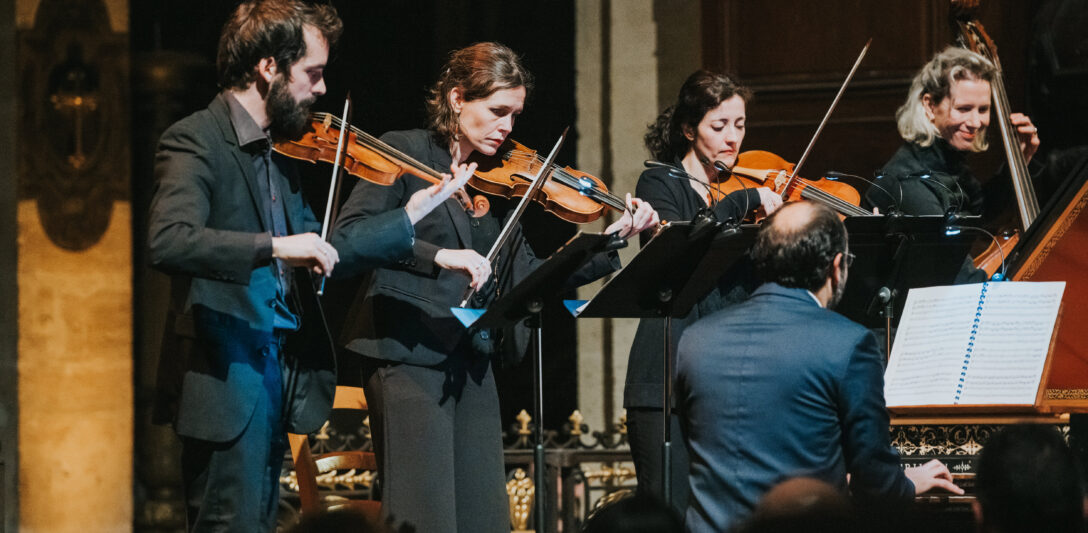
Johann Sebastian Bach passait sa vie en musique, du matin au soir, de la maison à l’école, à l’église, au café… Quand on parle de la famille musicale de Bach, on entend sa famille proche : sa femme, ses filles, ses fils (qui tous chantaient et jouaient de nombreux instruments), mais aussi les nombreux élèves qu’il a reçus chez lui, Krebs ou Altnikol (qui sera également son gendre), ainsi que ses prédécesseurs qui l’ont formé, tels Johann-Christoph Bach ou Georg Böhm. Voilà donc le foisonnement musical qui régnait dans la vie des Bach, à Leipzig autour des années 1730, entre joutes musicales, prières matinales ou virtuosités instrumentales. Un creuset fertile qui nous permet d’entendre comment ses successeurs ont développé un nouveau langage tout en conservant l’influence de leur maître. Car il s’agit aussi de transgression, notamment pour ses fils Wilhelm Friedemman et Carl Philipp Emmanuel : comment ceux-ci ont-ils réussi à construire leurs propres personnalités musicales, à l’image de leur père ou en s’en détachant ?
Programme
- Concerto pour clavecin :
Carl Philipp Emmanuel Bach : Allegro (H427)
Wilhelm Friedemann Bach : Andante (F41)
Johann Sebastian Bach : Allegro (BWV 1052) - Cantate Profane « Bist du bei mir » :
Georg Böhm : Sinfonia
Gottfried Heinrich Stölzel : Aria « Bist du bei mir »
Johann Sebastian Bach : Récitatif (BWV 207)
Carl Philipp Emmanuel Bach : Aria « Lyda » (Wq 202)
Carl Philipp Emmanuel Bach : Aria « Philys » (Wq 202) - Sonate :
Johann Sebastian Bach : Adagio (n°1, BWV 1028)
Carl Philipp Emmanuel Bach : Allegro (n°1 Wq 91)
Carl Philipp Emmanuel Bach : Andante (Wutemberger sonata)
Johann Sebastian Bach : Allegro (n°4, BWV 527) - Cantate Sacrée « Herr, lehre mich » :
Georg Philipp Telemann : Sinfonia (TWV 1 : 302)
Carl Philipp Emmanuel Bach : Aria « Herr, lehre mich »
Georg Philipp Telemann : Récitatif « Mein Gott » (TWV 1 : 302)
Johann Sebastian Bach : Aria et choral « Ob bei uns ist der Sünden viel » (BWV 686)
Johann Sebastian Bach : Aria « Gleich wie die wilden » (BWV 178)
Johann Sebastian Bach : Choral « Was Gott tut, das ist wohlgetan » (BWV 99) - Symphonie :
Carl Philipp Emmanuel Bach : Allegro (Symphonie H648)
Johann Ludwig Krebs : Adagio (Concerto WV 851)
Wilhelm Friedemann Bach : Allegro (F 67)